
From Redundancy to Resolution: Lessons in Humanity and Mediation

When it comes to managing redundancies, few people have seen more – or learned more – than Pete Colby, Director and Chief Mediator at Pragmatism UK. With decades of HR experience across British Steel, the food industry and Rolls Royce, Pete has been on every side of the redundancy table.
Putting People at the Heart of Collective Consultation

Collective consultation is never straightforward. There are the legal requirements to navigate, multiple stakeholders to manage and throughout it all, real people whose lives are being impacted. After 20 years in senior HR roles, including leading transformation work involving numerous collective consultations, Niki Corbishley from Noo Coaching knows this landscape well.
Building a Fair Redundancy Process: Why Equality Impact Assessments Matter

When redundancies are planned, there’s often an assumption that applying the same process to everyone automatically makes it fair. But as Victoria Dale, founder of Inclusion 365, explains, creating a truly fair redundancy process requires much more intentional planning and consideration of how different groups might be affected.
When Redundancy and Retirement Collide: Why Proper Planning Makes All the Difference
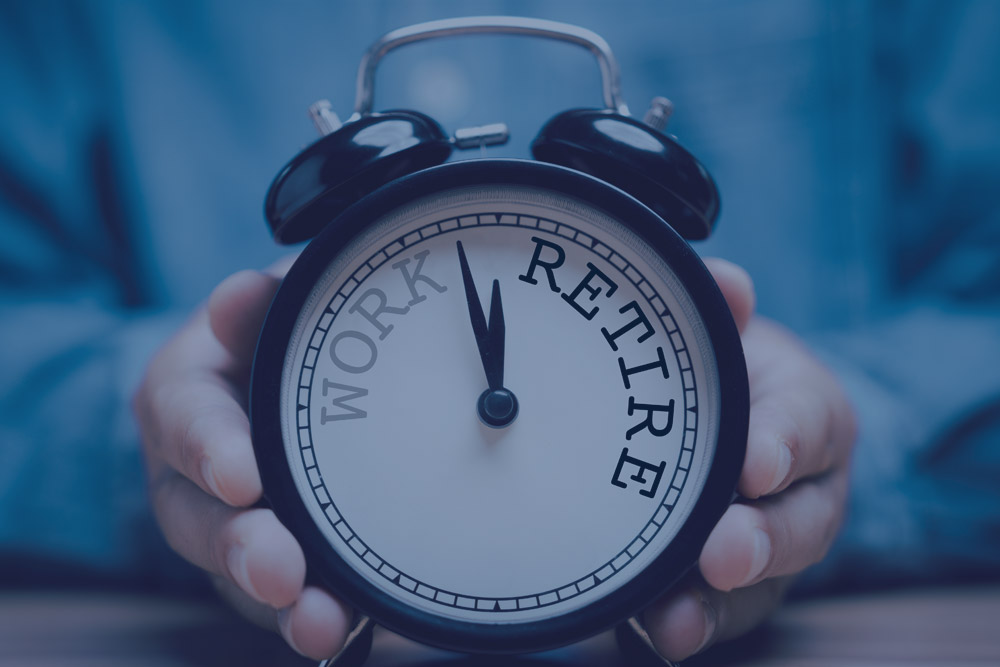
“Oh, don’t worry about so-and-so, they’ll just retire.”
It’s a phrase that comes up time and again when HR professionals are managing redundancies. The assumption is simple: older employees won’t need support because retirement is somehow the easy option.
The Complete Guide to Creating a Redundancy Communication Plan That Puts People First

When Lorna Moles reflects on her 20 years of HR experience, one thing stands out: “I’ve always said that communication is the main theme running throughout my planning for any redundancy process.” As the founder of Farrell HR and former corporate HR leader, Lorna has managed everything from single role deletions to large-scale collective consultations and she’s learned that getting the redundancy communication strategy right can make all the difference.
A Line Manager’s Guide to Dealing with Redundancy: Balancing Compassion and Compliance

Redundancy isn’t just about processes. It’s about people, their families and their futures. As a line manager, you’re often the constant presence your team turns to during one of the most vulnerable times in their working lives.
Redundancy Survivor Syndrome: Why Those Who Remain Need Your Attention Too

When the dust settles after a redundancy programme, there’s often a collective sigh of relief from HR teams. The legal compliance has been managed, the process has been fair and those leaving have been supported through their transition. But what about the people who remain?
How to successfully manage redundancy emotions

Whether you’re doing your first redundancy or your hundredth, people’s emotions are unpredictable. And as HR professionals, you navigate those emotions multiple times. For the individuals placed at risk, the managers you’re supporting and for yourself. Yet, often, too much energy is focused on the process and very little time is given to managing the emotional effects of redundancy. Even though, effectively supporting these for everyone can be the difference between a successful programme and a disaster.
Supporting Employees Through Redundancy: The Power of Empathy

I’ve been on both sides of the redundancy table. I’ve experienced it twice myself and I’ve also managed redundancy processes as an HR professional. Through all of this, one thing has become clear to me: the difference that empathy – or indeed the lack of it – can make is enormous.
Understanding the Emotional Rollercoaster: Redundancy and Mental Health

I remember both my redundancies very vividly. I also remember those people that I had to make redundant. What strikes me most is how redundancy isn’t just about losing a job. It’s identity, security, self-worth. It’s deeply personal and can remain with people for a very long time.